


Release time:2023-11-29 Browsed0 order
Project Background
Invasive species represent one of the most serious threats to global ecosystems. In countries such as Australia, New Zealand, Canada,
and parts of Europe, non-native animals like rabbits, feral cats, possums, and mustelids severely disrupt ecological balance, endanger
native wildlife, and cause significant agricultural losses.
To control their population, wildlife management agencies deploy large numbers of trapping devices across mountains, forests, and
nature reserves. However, due to wide geographic distribution and harsh environments, traditional management methods suffer from
low efficiency, high operational costs, and delayed response.
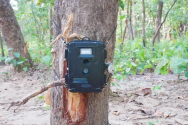
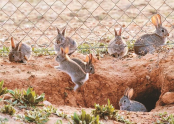

Before system deployment, field teams had to drive deep into mountainous areas to manually inspect hundreds of traps one by one.
In practice:
 Over 80% of inspections were ineffective
 Most traps were not triggered during checks
Large amounts of time were spent traveling
Fuel consumption and labor costs continuously increased
Captured animals often remained undiscovered for long periods
For monitoring areas spanning hundreds of square kilometers, manual inspection alone is no longer sufficient.


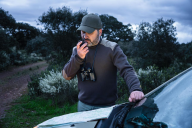
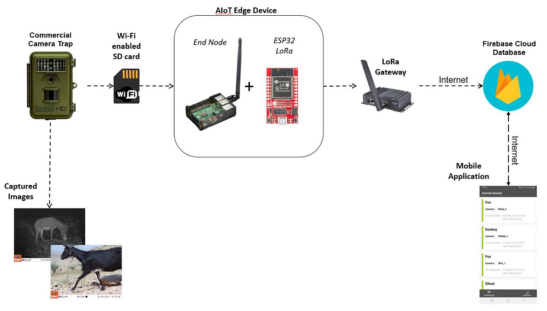
To improve monitoring efficiency and reduce operational costs, the customer adopted the DX-SMART LoRaWAN-based intelligent
trapping monitoring system.
Each trap integrates:
DX-SMART IoT Solutions LoRaWAN wireless communication module
ESP32 intelligent controller
BLE configuration module
Long-life battery power system
Capture status detection sensor
When a trap successfully captures a target species:
The sensor immediately detects the state change
The ESP32 controller is triggered
The LoRaWAN module automatically sends an alert to nearby gateways or patrol vehicles
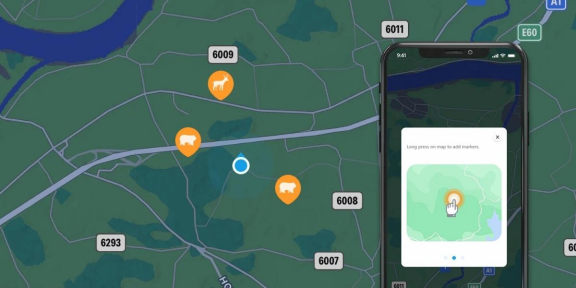
Field staff can instantly access:
Trap ID
Trigger time
GPS location
Device status
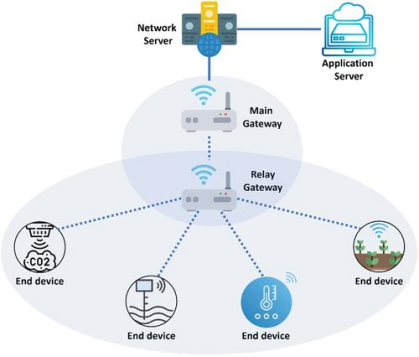
Compared with traditional inspection methods, the biggest advantage of the LoRaWAN system is:
Only dispatch resources when needed.
Previously:
Staff had to inspect 100 traps to find only a few triggered devices.
Now:
Alerts are generated only when a trap is activated, allowing direct response.
Results:
✔ Drastically reduced ineffective inspections
✔ Significant reduction in labor workload
✔ Over 90% improvement in patrol efficiency
✔ Response time reduced from days to hours
✔ More monitoring points managed without increasing staff
In traditional systems, captured animals may remain undetected until the next scheduled inspection.
Inspection cycles in some regions can reach:
3 days
7 days
Even 14 days
With LoRaWAN real-time monitoring:
Alerts are sent immediately after capture
Staff can reach the site quickly
Device downtime is reduced
Trap reuse efficiency is improved
Faster response leads to higher capture efficiency.
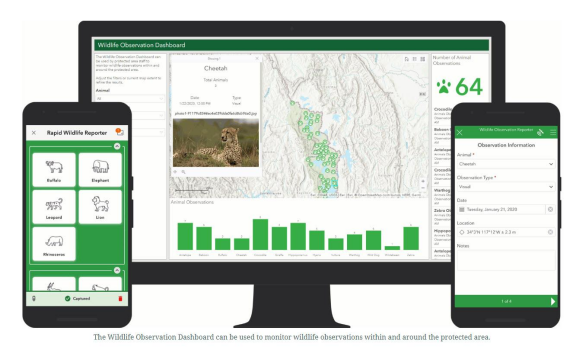
With real-time data, agencies can:
Precisely track invasive species activity zones
Identify high-frequency hotspots
Optimize trap deployment strategies
Build long-term ecological monitoring databases
Over time, this enables more effective population control and reduces ecological damage.
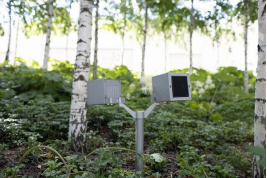
Thanks to ultra-low-power LoRaWAN design, devices operate on long-life batteries.
At the same time, reduced field patrols lead to:
Lower vehicle usage
Reduced fuel consumption
Lower CO₂ emissions
Reduced operational costs
This enables a more sustainable wildlife management model.
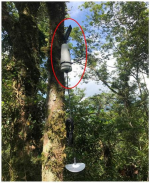

After deploying the DX-SMART IoT Solutions LoRaWAN smart monitoring system:
✔ Over 90% improvement in patrol efficiency
✔ Significant reduction in ineffective inspections
✔ Real-time response capability
✔ Lower labor costs
✔ Reduced fuel consumption
✔ Lower maintenance frequency
✔ Improved invasive species capture rate
✔ Controlled spread of non-native species
✔ Better protection of native habitats
✔ Accelerated ecosystem recovery
✔ Reduced carbon emissions
✔ Minimized resource waste
✔ Enabled intelligent ecological management
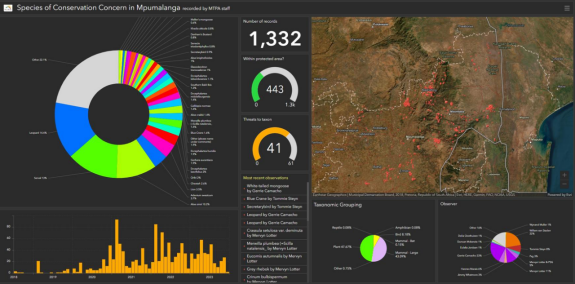
By deploying the DX-SMART IoT Solutions LoRaWAN smart trapping monitoring system, the customer successfully transformed
a traditional passive inspection model into a proactive alert-based system, enabling real-time monitoring and rapid response to capture events.
This solution not only significantly improves wildlife management efficiency and reduces operational costs, but also helps control the spread
of invasive species more effectively, protecting local ecosystems and promoting a smarter, greener, and more sustainable approach to
ecological governance.


